
- EN
Select Language
- Search
Detailed search: You can do a detailed search by keyword, genre, time, area and tag.
- Share this page
Share this page
- FAVORITES
Main content starts here.
- Visit Tokyo |
- EXPERIENCES |
- Best things to do in Tokyo tailored to your preferences |
- Boost Your Gut Health in Tokyo By Learning About Japanese Fermented Food Culture
added on : November 24, 2026
Boost Your Gut Health in Tokyo By Learning About Japanese Fermented Food Culture
Muro Kagurazaka, The Yomogi Stand, Kouji-ya Saburouemon
Your current location:
東京都心部|東京北部|東京西部
代官山|練馬|神楽坂
Our guts contain entire worlds of microflora that we depend on for physical and mental health, alongside daily well-being. Improving gut health through mindful healthy dietary habits continues to gain attention worldwide.
Japan's approach to gut health is rooted in conscious consumption, including a number of fermented staples that have been a part of the Japanese diet for centuries.
In Tokyo, explore this approach to daily wellness through koji, a fermented rice ingredient featured in amazake and other products easily incorporated into meals, the superfood plant species yomogi (mugwort) that offers a number of health benefits, and finally miso, Japan's delicious staple that elevates cuisine from all angles.
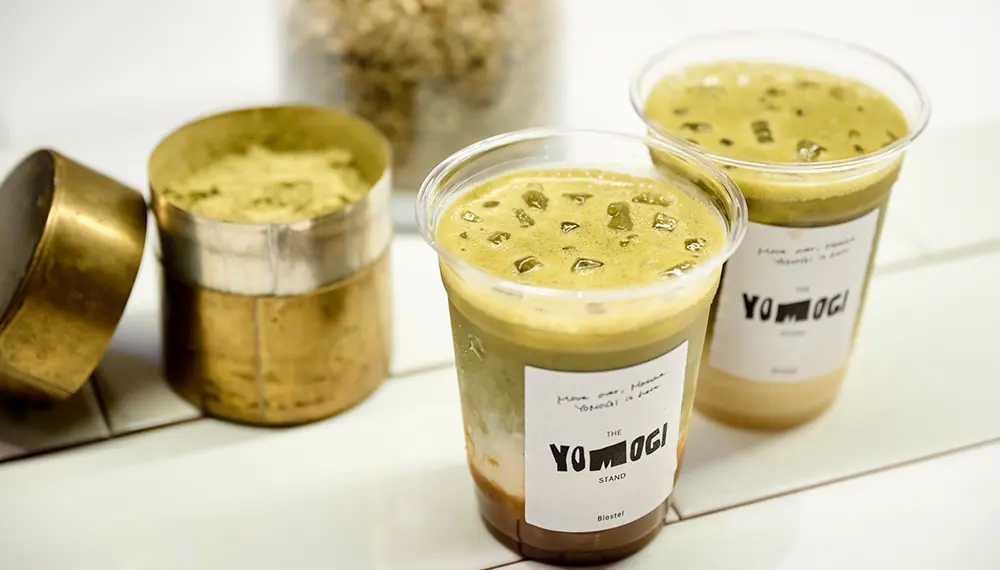
Yomogi (mugwort) drinks from The Yomogi Stand
Discover the Power of Koji for Longevity and Energy – Muro Kagurazaka
You may have heard of the koji – rice cultivated with Aspergillus oryzae mold – that is central to many Japanese fermented food products. At Muro Kagurazaka, just a one-minute walk from Iidabashi Station, this ingredient takes center stage. Koji is made by cultivating naturally occurring mold on steamed rice grains. The shop specializes in amazake and koji products, encouraging traditional fermentation culture as part of your daily routine.
Start with the shop’s simple amazake, made from rice koji and water. Despite its name, which translates as "sweet sake," this version is completely alcohol-free. Its mild, fermented rice flavor and smooth texture make it a different experience from a typical sweetened drink. Brown rice amazake is a bit thicker and offers another way to enjoy rice koji as part of a varied diet. Try pairing it with soy milk and cinnamon for a delicious drink that is great for the microflora in your gut.
Koji also offers many exciting uses in the kitchen. Shio koji combines rice koji with salt, while shoyu koji uses soy sauce as a base. You can use these seasonings to marinate meat, add flavor to soup or create your own seasonings and dressings. Spoon ginger koji onto chilled tofu, or pair garlic koji with a steak for an easy way to introduce Japanese probiotics into everyday meals.
For something sweeter, explore koji-based fermented jams made with blueberries, mango or cocoa, which you can add to yogurt or spread on bread. At Muro, fermentation is approachable – something you can enjoy in a cup today and experiment with in your kitchen tomorrow. Some products are available for tasting, so if something piques your interest, please compare a few flavors to find one you want to take home.
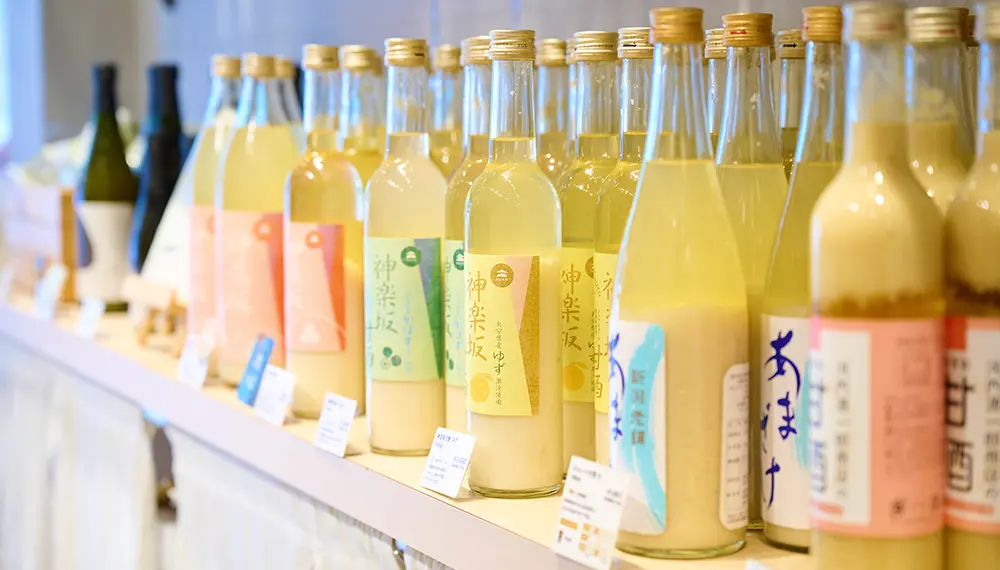
Different flavors and variations of amazake line the shelves
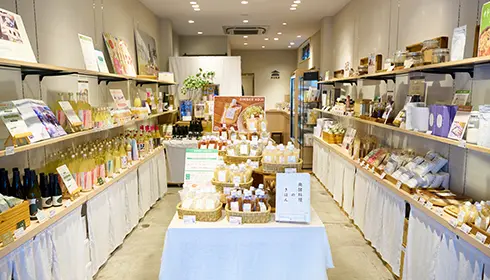
Muro Kagurazaka's interior
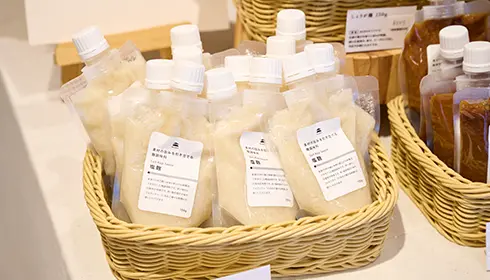
Shio koji is a great foundation for many different meals
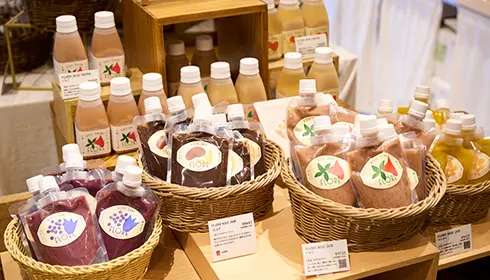
Fermented jams offer many ways to enjoy koji
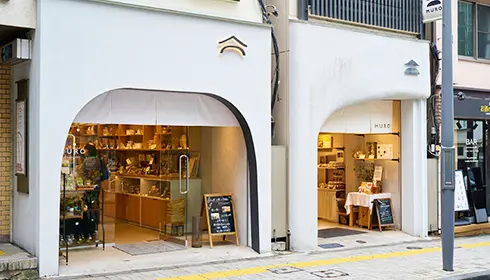
Left: Muro daidokoro, which opened in April 2026 / Right: Its main store, Muro Kagurazaka
Yomogi (Mugwort) is Japan's Latest, Greatest Superfood Trend – The Yomogi Stand
Yomogi, or Japanese mugwort, was valued in ancient Japan as both a food and a medicinal herb. Often used as the ingredient that gives yomogi mochi its green color, today it's finding a new audience as a superfood and caffeine-free alternative to matcha. With over 30 varieties of yomogi throughout Japan, its high fiber, vitamin and mineral content is attracting attention in Japan’s health-conscious food culture.
The Yomogi Stand incorporates this superfood into a cafe experience, with naturally caffeine-free drinks you can enjoy as a morning ritual or an afternoon break. At the shop, just a six-minute walk from Daikanyama Station, you can discover the herb's appeal through fermented herbal drinks, yomogi-infused skincare products and powdered yomogi to take home.
Yomogi Stand's mugwort comes from the volcanic Aso region in Kumamoto, where the team works with a medicinal herb garden to oversee cultivation and processing. The leaves are washed with spring water, then fermented at low temperatures for several days. This tea-style fermentation process develops their aroma before roasting to add further depth. The leaves are then processed into powder which can be consumed directly or used in drinks and food.
Recommended drinks include the Herbal Elixir, which pairs the gentle bitterness of yomogi with naturally sweet date syrup and creamy oat milk, and yomogi amazake, which combines the herb with the koji-derived sweet rice drink.
The Yomogi Stand also offers house-made granola infused with yomogi powder, as well as yomogi powder sticks you can use in drinks, cooking or baking. Easy to incorporate into your daily routine, yomogi is a natural wellness item from Tokyo that supports gut health long after your journey.
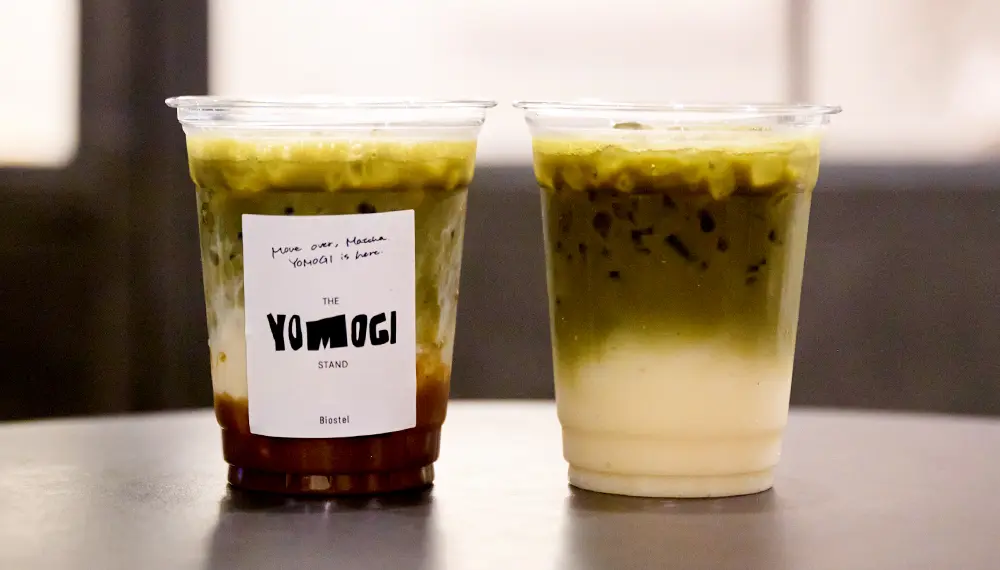
Left: Herbal Elixir (yomogi, date syrup and oat milk) / Right: Yomogi drink with koji amazake
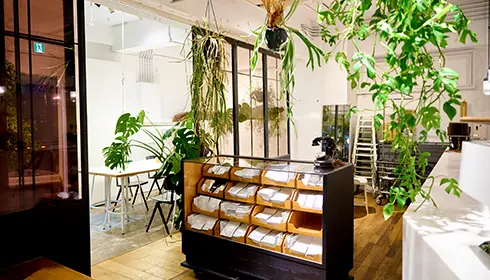
The shop's interior is welcoming and calm
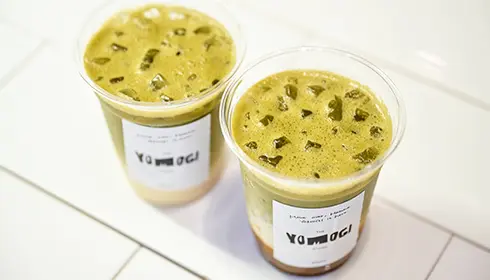
The specialty yomogi drinks are smooth, refreshing and delicious
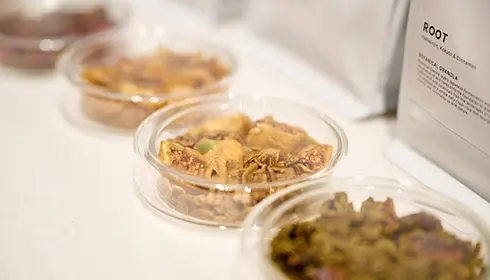
Yomogi granola is a powerful botanical food to add to your diet
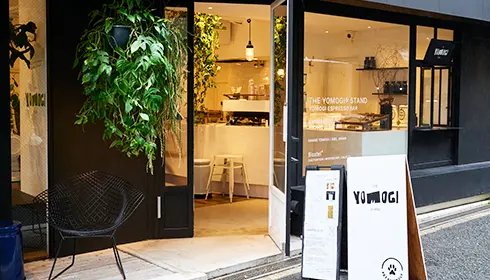
The Yomogi Stand's exterior
Taste Hearty, Delicious Miso Made With Ancient Techniques – Kouji-ya Saburouemon
At Kouji-ya in Tokyo's Nerima City, miso begins with a philosophy: create the right conditions and let microorganisms do their work. The producer makes miso by hand with traditional production methods, domestically sourced ingredients and natural fermentation in wooden barrels. The process starts with koji, cultivated on rice before being combined with soybeans and salt. Miso artisans check the rice through touch and smell, adjusting their craftsmanship to changes in temperature and humidity.
There are two main kinds of miso – a younger white miso that is typically aged for around three to six months, and red miso that matures for at least one year. Differences in ingredients and salt levels also shape the result; brown-rice miso offers a particularly pronounced flavor, while other varieties are milder. The miso from Kouji-ya created through traditional methods is Halal, vegan and highly beneficial to gut health.
When choosing miso to take home, think about what you want to cook. Longer-aged red miso may complement pork or hearty seasonal vegetables, while white miso might pair well with more delicate dishes like fish or soups.
Kouji-ya has been operating at its current location in Nerima since 1939, while the founding company has deeper roots going back to the mid-1800s in Ibaraki Prefecture. However, the operations – now headed by its young, eighth-generation owner – will move to a new facility in Ome, Western Tokyo, in May 2027.
The brand-new facility will offer an even more immersive miso experience, including workshops and hands-on elements. If you are visiting Tokyo after May 2027, make sure to look up Kouji-ya in Ome to experience Japanese fermentation in beautiful Western Tokyo.
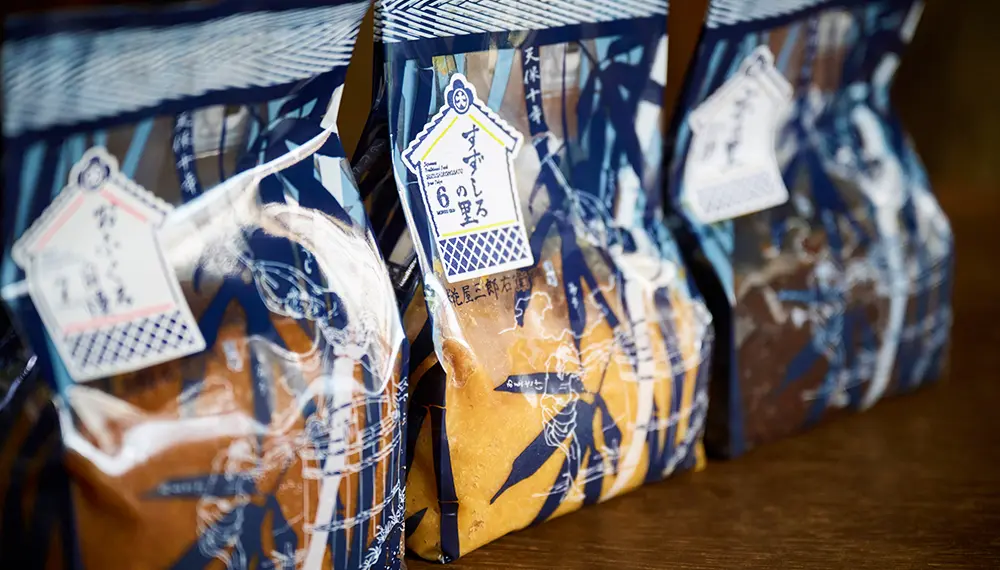
Miso changes in color, flavor and depth depending on time fermented
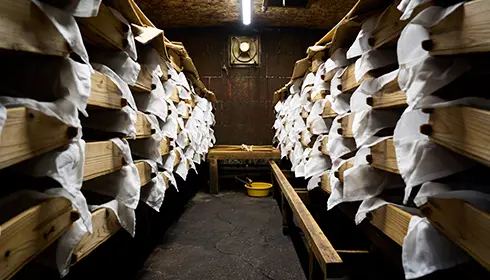
The only traditional miso producer remaining in Tokyo proper
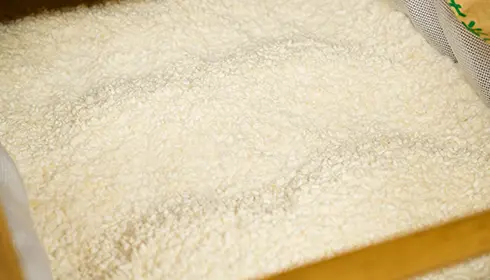
White rice koji is the foundation of miso fermentation
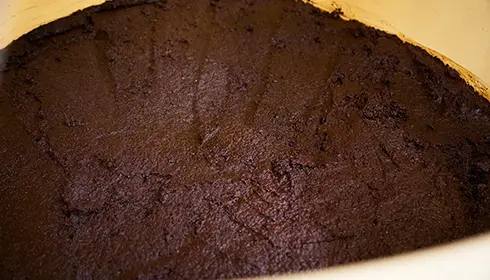
Miso fermented in wooden vessels slowly and meticulously
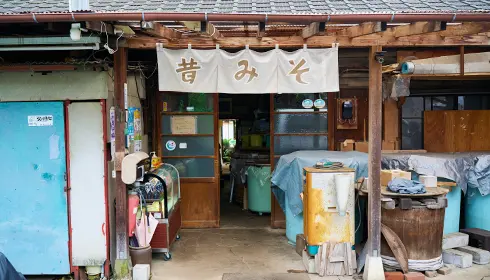
Kouji-ya Saburouemon's exterior (as of October 2026)
Muro Kagurazaka
| Address | 1-12-6 Kagurazaka, Shinjuku City, Tokyo |
|---|---|
| URL | Muro Kagurazaka |
The Yomogi Stand
| Address | Cozy Place Daikanyama 1F, 11-12 Daikanyama-cho, Shibuya City, Tokyo |
|---|---|
| URL | The Yomogi Stand (JPN) |
Kouji-ya Saburouemon
| Address | 2-29-8 Nakamura, Nerima City, Tokyo |
|---|---|
| URL | Kouji-ya Saburouemon (JPN) |
For updated information on opening hours, days closed, prices, and more, please check the official website.


Copyright © Tokyo Convention & Visitors Bureau. All rights reserved.