
- EN
Select Language
- Search
Detailed search: You can do a detailed search by keyword, genre, time, area and tag.
- Share this page
Share this page
- FAVORITES
Main content starts here.
- Visit Tokyo |
- EXPERIENCES |
- Best things to do in Tokyo tailored to your preferences |
- Experience the Nostalgic Side of Japan in Tokyo
added on : September 28, 2026
Experience the Nostalgic Side of Japan in Tokyo
Asakusa Taisho Roman-kan, Kamado no Ouchi, Tokyo Hotarudo
Your current location:
東京東部|東京南部
羽田空港とその周辺|浅草
The Taisho period (1912–1926) was a brief but distinct chapter in Japan’s history that is often remembered for its blend of traditional Japanese aesthetics with newfound Western influence. It was a period of transformation, where cafés and jazz records sat alongside kimono and calligraphy, while art, fashion, and everyday design flourished with a romantic elegance that still captures the imagination of young people today. This was the age of "Taisho Roman": curved lines, muted florals, lace trims, and a nostalgia for a simpler, more elegant way of life.
In modern day Tokyo, that spirit hasn't disappeared. From dressing in vintage kimonos, to cooking rice over a traditional kamado, and wandering the treasure-filled aisles of an old antique shop, these are places where you can slow down and savor the Taisho periods through all five senses.
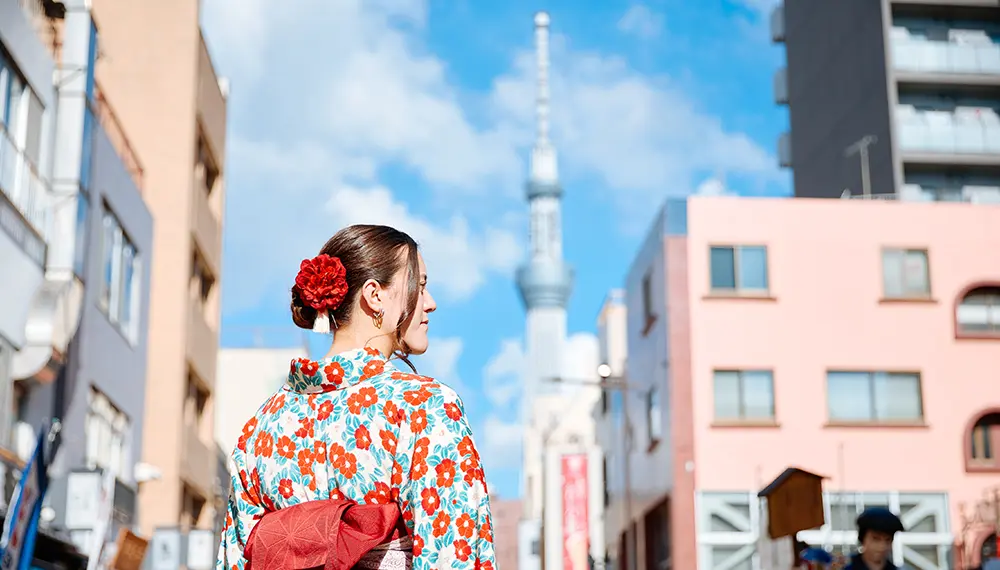
Dress Up in Taisho Roman Style in Asakusa
Step straight into the Taisho Roman aesthetic with this completely customizable kimono experience. Asakusa Taisho Romankan is a kimono rental shop and café, but what makes it different to other shops offering a similar service is its unique romantic style.
First, choose your garment from around 500 options of varying patterns and colors. The shop offers light, breezy yukata for summer and warmer kimono in winter. Then, personalize every detail. From your ‘obi’ (the wide sash or belt worn around the waist) to delicate finishing touches like lace trims and pearl brooches. There is a lot of choice, but friendly staff are always on hand with styling tips to help you narrow down your look. Fans of "oshikatsu" (supporting your favorite popstar) can even pick a kimono in their idol's signature color.
The experience is refreshingly easy for visitors from abroad, with printed step-by-step guides available in English, Chinese, and Japanese. Getting dressed takes around 40 to 60 minutes for women, including a choice of 3 to 6 hairstyles, while men are ready in around 10 to 20 minutes — and there are options for kids too, so the whole family can join in.
Once dressed, we recommend stopping by the organic matcha café ‘chakura’, which opened this July just downstairs. Here you can enjoy matcha drinks, sweets, and towering kakigori (shaved ice) piled with fruit syrup and ice cream. Next door, a second café offers plenty of romantic backdrops — winding staircases, ornate mirrors, and painted streetscapes — alongside eight flavors of cream soda, an iconic Taisho period drink of sweet soda topped with ice cream.
Finish your day wandering the nearby alleys of Asakusa, one of Tokyo's oldest and most beloved districts, and the historic heart of the city's traditional culture.
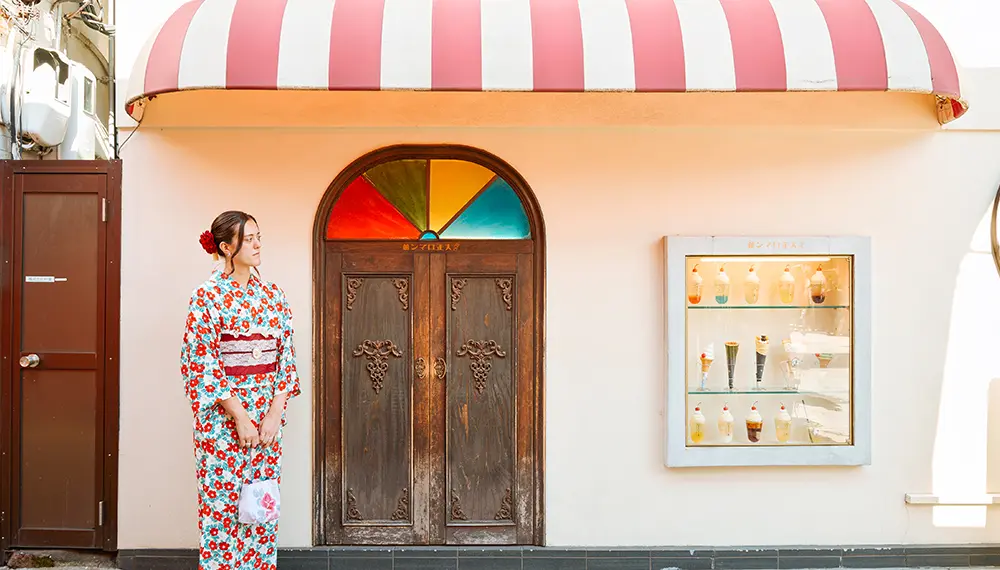
Embody the retro-modern aesthetic of Japan's Taisho period
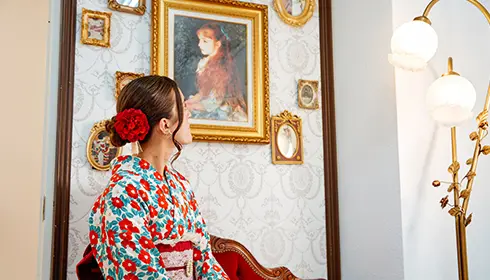
There are plenty of photo opportunities throughout the venue
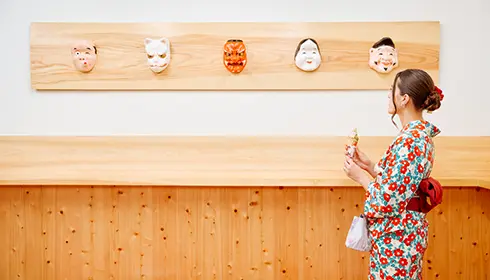
Visit the newly opened organic matcha café “Chakura”
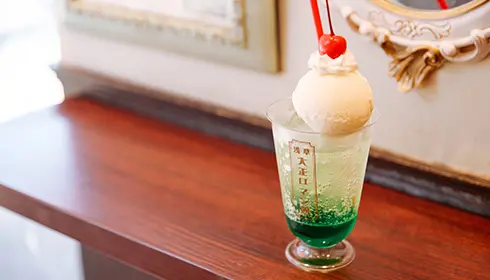
Cream soda, an iconic Taisho period drink of sweet soda and ice cream, at Taisho Romankan
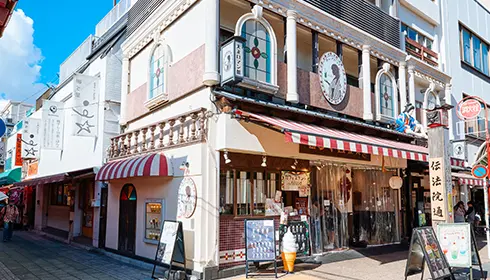
The exterior of the Taisho Roman Museum and café is also a great backdrop for photographs
Step Back in Time at Kamado House
Long before gas stoves took over Japanese kitchens, rice was cooked the analog way: over an open flame, in a wood-fired ‘kamado’. This traditional method has now almost entirely disappeared.
At Kamado House, that lost art has been lovingly revived. Inspired by TV dramas set in the Taisho period, owner Haruna Nakazato converted a small kominka — a traditional Japanese house — into a charming recreation of a Taisho period kitchen, complete with a tiled kamado, antique furniture, and a wide, old-fashioned sink for washing up.
Visitors are invited to dress in vintage Taisho-style kimono before the cooking begins. Guided by the staff’s instructions — available in Japanese or English — you'll fire up the furnace, wash the rice, and let it simmer. While the rice cooks, you'll make miso soup alongside it, taste-testing the three integral ingredients behind ‘dashi’: anchovy, kelp, and bonito flakes. These are boiled into a savory stock that is at the heart of many Japanese dishes.
Once everything's ready, the final step is shaping the hot rice into onigiri by hand. It's a rare treat – even many Japanese people have never cooked over a real kamado. Onigiri (rice balls) itself has also travelled far beyond Japan, making this a hands-on way to connect with the deeper history of a facet of Japanese everyday culture that is now spreading around the world.
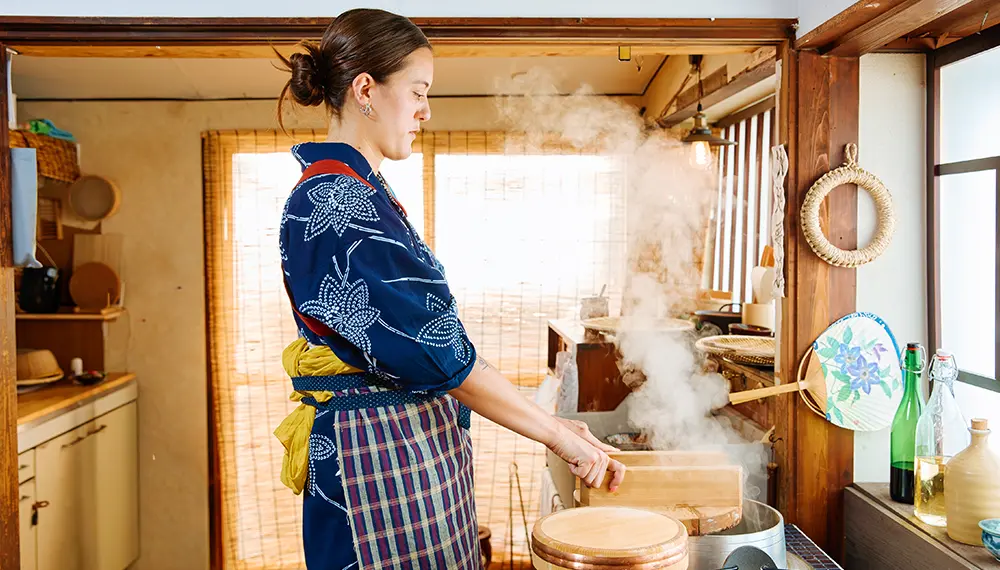
Prepare rice in a traditional wood-fired ‘kamado’
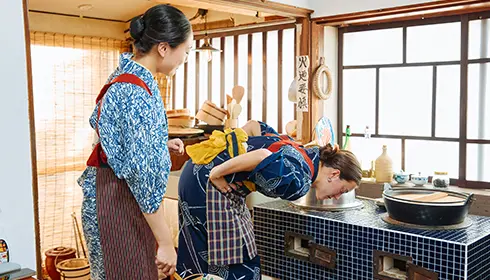
Staff offer support in both English and Japanese
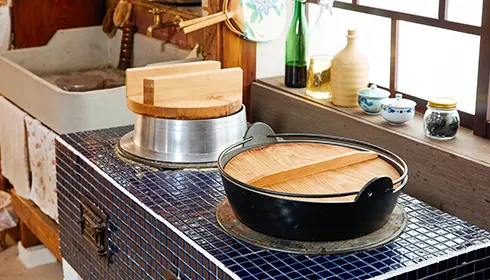
A recreation of a traditional Japanese kitchen
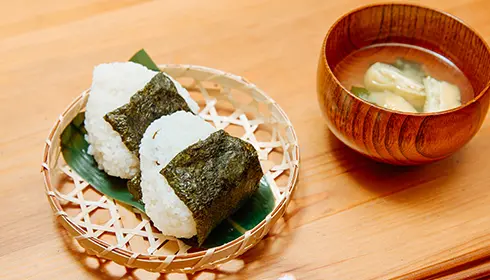
Homemade onigiri (rice balls) and miso soup
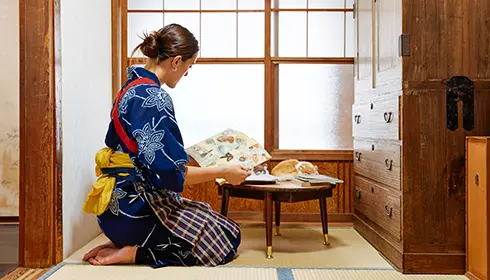
A retro-style Japanese room photo spot
Find Hidden Treasures at Tokyo Hotarudo
Turn down a dark and narrow alley in Asakusa, and at the end of it you'll find Tokyo Hotarudo: an antique shop packed floor to ceiling with hidden treasures from times gone by.
The shop's owner Junichiro Inamoto has been collecting and restoring antiques here for 20 years, but his path was anything but conventional. He left home in Tokyo at 20, moved to Kyoto, and spent years living in different places, and even experienced homelessness along the way. Eventually, he found his way back to Tokyo and felt a pull to reconnect with his own culture and identity, which is what led him to open this shop.
The shop reflects his passion for history, and his sincere devotion to restoring and caring for old objects. It is filled to the brim with antique tableware, lacquerware, furniture both large and small, beaded bags, silk kimonos, hair accessories, rings, and pearl necklaces. The shop carries plenty of small trinkets that would be easy to travel with, but staff can also pack items safely, and there is a nearby post office where you can ship purchases home.
At its heart, the shop is about both caring for old objects and giving them new life. He points to an old radio that he has fitted with Bluetooth, and nearby a vintage globe that now doubles as a touch-sensitive lamp. It is still history, but adapted to suit our modern way of life.
The store has well-organized signage, and staff are learning English, making it possible to actively communicate with visitors from overseas using translation apps. For anyone hoping to take home a truly unique piece of Japanese history, this is the place to go.
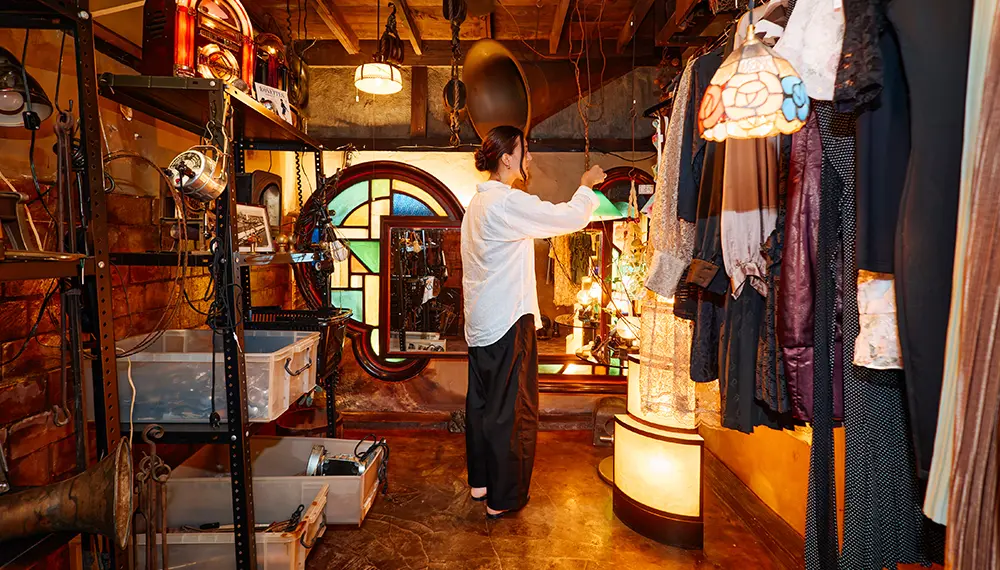
Shopping here is like sifting through a treasure box
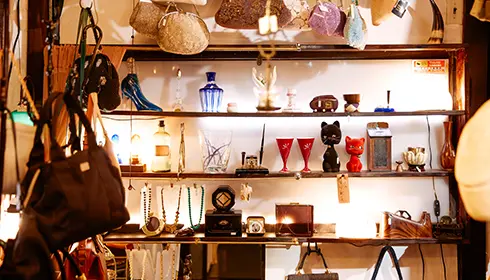
Restored antiques – from glassware and trinkets to jewlery and handbags
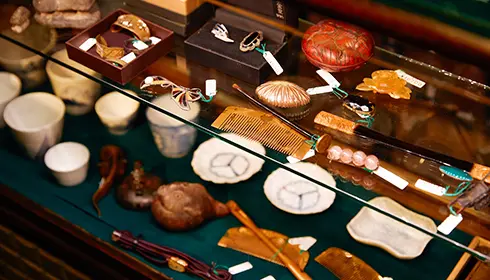
Palm-sized Japanese antique plates
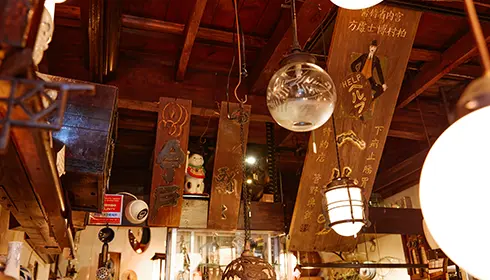
Every inch is lined with treasures from the 1920s
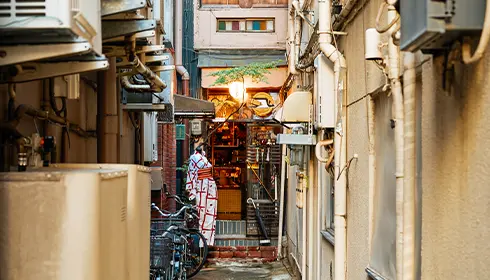
Tokyo Hotarudo is located at the end of a narrow alley
Asakusa Taisho Romankan
| Address | Rose Manor Asakusa East Building 2-2-1 Asakusa, Taito City, Tokyo |
|---|---|
| URL | Asakusa Taisho Romankan (JPN) |
Kamado House
| Address | 3-24-15 Yaguchi, Ota City, Tokyo |
|---|---|
| URL | Kamado House |
Tokyo Hotarudo
| Address | 1-41-8 Asakusa, Taito City, Tokyo |
|---|---|
| URL | Tokyo Hotarudo (JPN) |
For updated information on opening hours, days closed, prices, and more, please check the official website.


Copyright © Tokyo Convention & Visitors Bureau. All rights reserved.