
- EN
Select Language
- Search
Detailed search: You can do a detailed search by keyword, genre, time, area and tag.
- Share this page
Share this page
- FAVORITES
Main content starts here.
- Visit Tokyo |
- CALENDAR |
- Best Things to Do and See in Tokyo in September
Updated: August 14, 2026
Best Things to Do and See in Tokyo in September
Is September a good time to visit Tokyo?
This is the month when Tokyo glides from summer to autumn. You can enjoy elements of both seasons, with quintessential summer activities, such as fireworks displays, plus autumnal flowers and art.
What is the weather like in Tokyo in September?
In Tokyo, the summer heat continues into September. Daytime temperatures often exceed 30℃ (86℉) and it's extremely humid, so it feels as hot as August. The average temperature is 26.5℃ (79.7℉), with highs of 30.9℃ (87.6℉) and lows of 23℃ (73.4℉). Typhoons may approach Tokyo at this time of year. The average rainfall is around 200 mm, making this one of Tokyo's rainier months. Temperatures can drop suddenly during rain, so bring rain gear and light jackets. Keep an eye on the news for the latest typhoon information.
Note: This guidance is based on meteorological data for 2025.
Best events, festivals, and other things to do in September
Tokyo Festival 2026
Tokyo Festival is an urban performing arts festival that develops Tokyo as an international platform for performing arts. In 2026, it takes place throughout the city from September 1 to November 3. The festival includes the international performing arts festival "Autumn Meteorite 2026 Tokyo"; performances of 100 different works selected from open-call entries; "Performing Arts Base," a free showcase presented by Tokyo International Forum and MoN Takanawa: The Museum of Narratives; and more. The event brings Tokyo together and is presented in collaboration with local theater festivals.
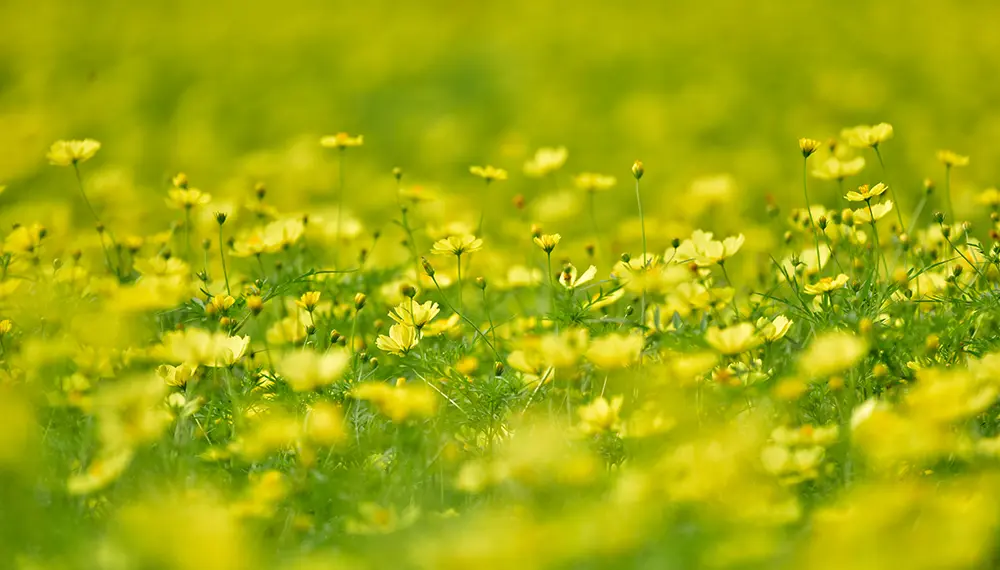
Cosmos Festival
The Cosmos Festival takes place at Showa Kinen Park from September through October. Around 4 million cosmos flowers of multiple varieties come into bloom. During the festival, there will be places set up to take memorable photos to post on social media.
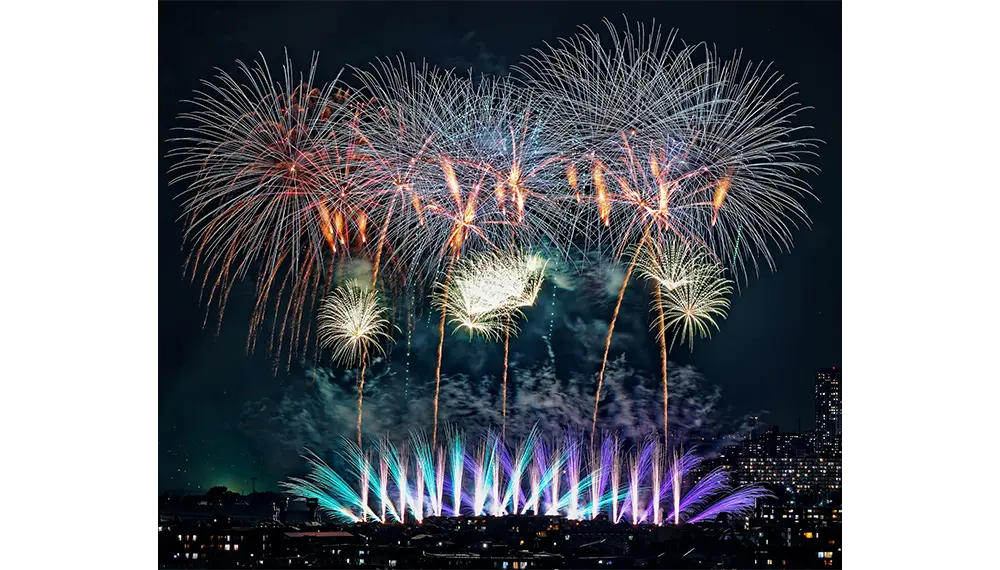
Chofu's Autumn Fireworks
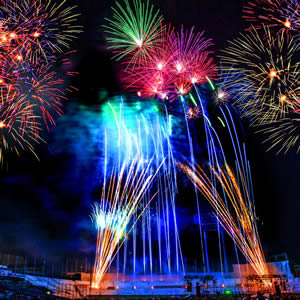
Chofu's Autumn Fireworks are famous in the Kanto region and have been around for over 40 years. This year's festival will feature 50 large fireworks in rapid succession and "Hanabillusion," a display that combines music and fireworks. There's also "Takumi no Hanabi," an unmissable display of fireworks crafted by artisans from all over Japan. The beauty and splendor of the fireworks will be a sight to remember.
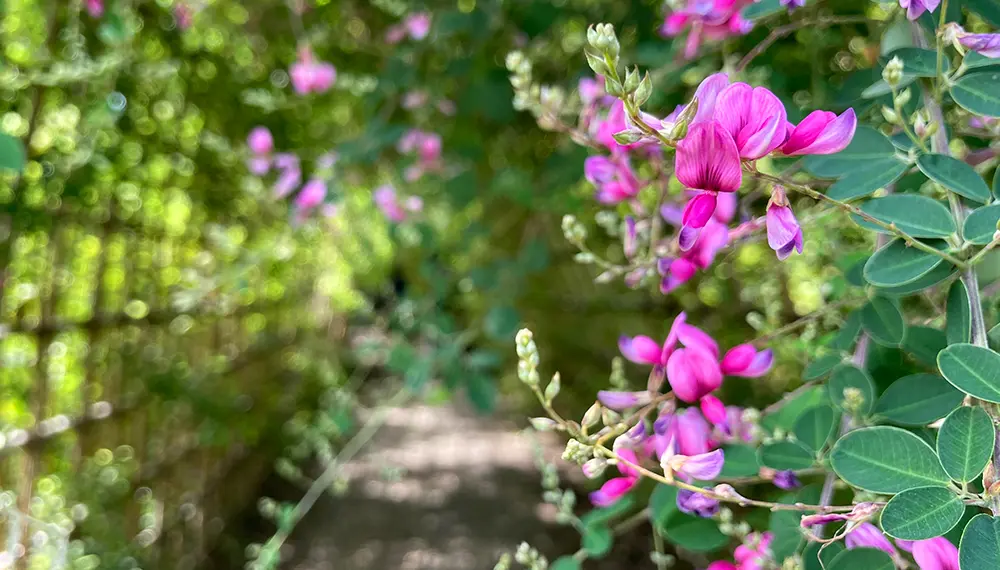
Hagi (bush clover) tunnel
Hagi (bush clover) is another flower associated with autumn. One of the best places to see these delicate blooms is Mukojima-Hyakkaen Garden, a beautiful flower garden with over 200 years of history. Every September, hagi is grown over a 30-meter-long bamboo frame to create a Hagi (bush clover) tunnel is in bloom.
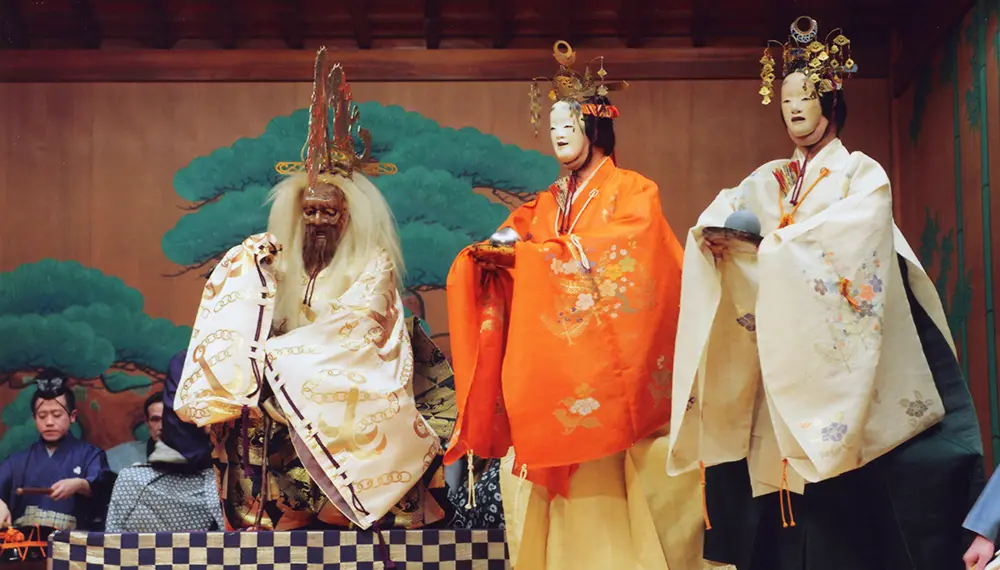
Shinjuku Gyoen National Garden Open-air Noh Performances (Mori no Takigi Noh)
Shinjuku Gyoen hosts the annual Mori no Takigi Noh event sometime between September and October. This event features traditional performances of Noh drama and kyogen (Japanese comedy) in a spectacular garden setting. Flaming torches light the stage. The garden is kept open late for this event, allowing you a rare nighttime glimpse of Shinjuku Gyoen.
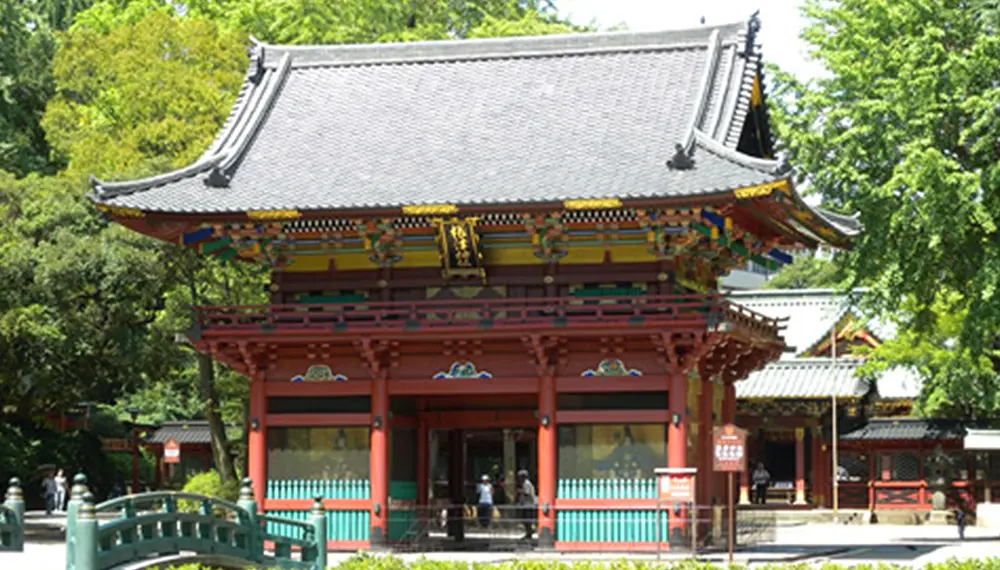
Nezu-jinja Shrine Annual Grand Festival
Nezu-jinja Shrine Annual Grand Festival is said to have originated in 1714, when it was founded by the shogun. One of the biggest events in the country back then, it remains a lively affair with many stalls and traditional dance performances. Nezu-jinja Shrine's 18th-century buildings deepen a sense of history.
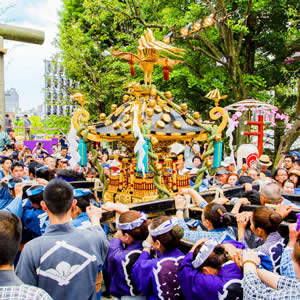
In 2026, the festival features the Jinkosai, a ritual procession that's held every four years. It takes place on September 27 and involves a parade of people guiding a portable mikoshi shrine through the local area.
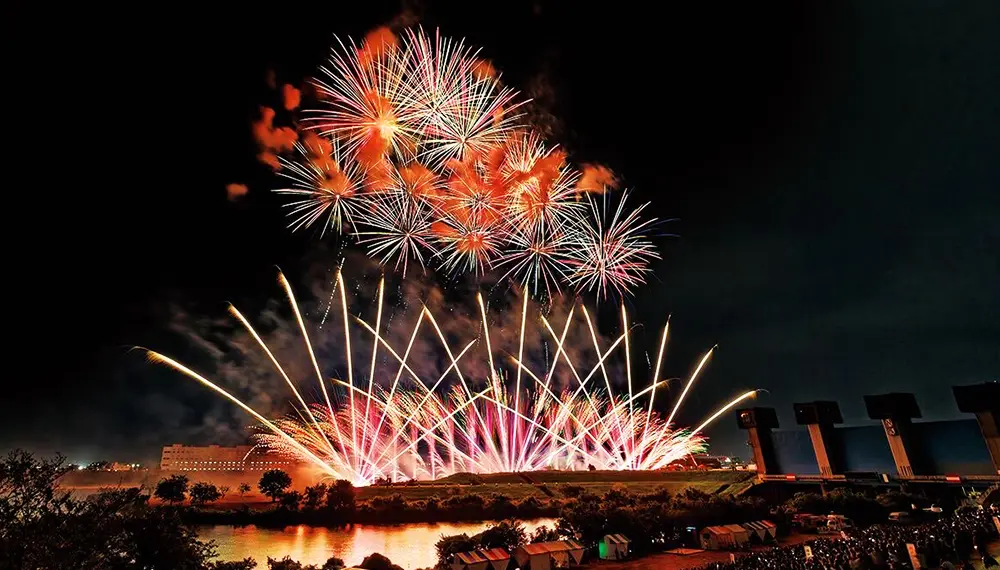
Kita City Fireworks Festival
The Kita City Fireworks Festival is one of the best-known autumn fireworks events. It takes place along the Arakawa River, conveniently located within an hour's trip from central Tokyo. Marugo, a manufacturer known as the "magician of fireworks," makes the 10,000 fireworks. These are synchronized to moving lights and music, producing a magnificent spectacle.
There are paid reserved seats available on the Akabane side of the river, aimed at international tourists. Japanese fireworks are world famous, and you can enjoy the very latest they have to offer.
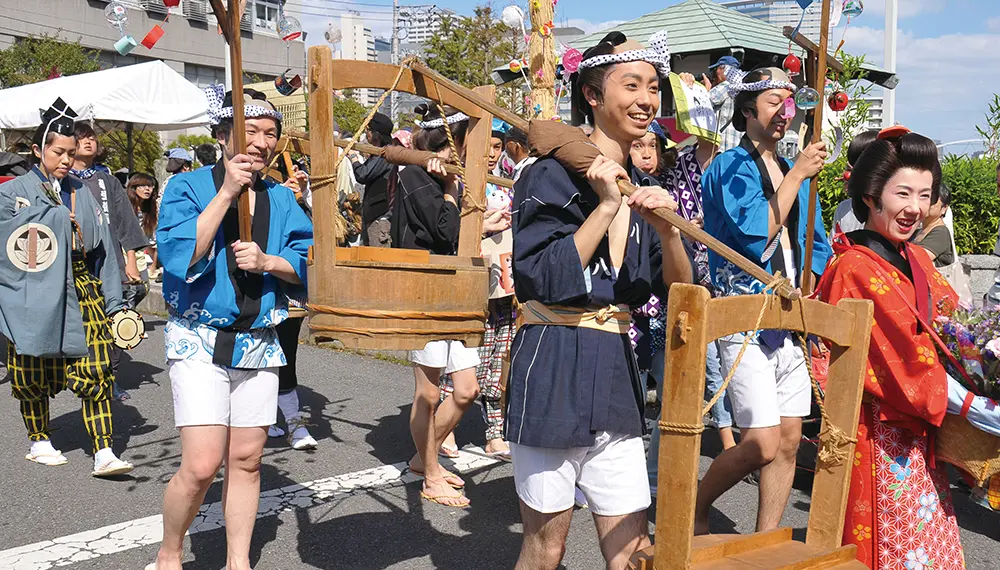
Shinagawa Shukuba-matsuri Festival
Shinagawa was once the first stop on the road connecting Tokyo (then called Edo) and Kyoto. Each September, people celebrate that heritage at Shinagawa Shukuba-matsuri Festival and dress up in period costumes.
Fukuro Matsuri (Ikebukuro Festival)
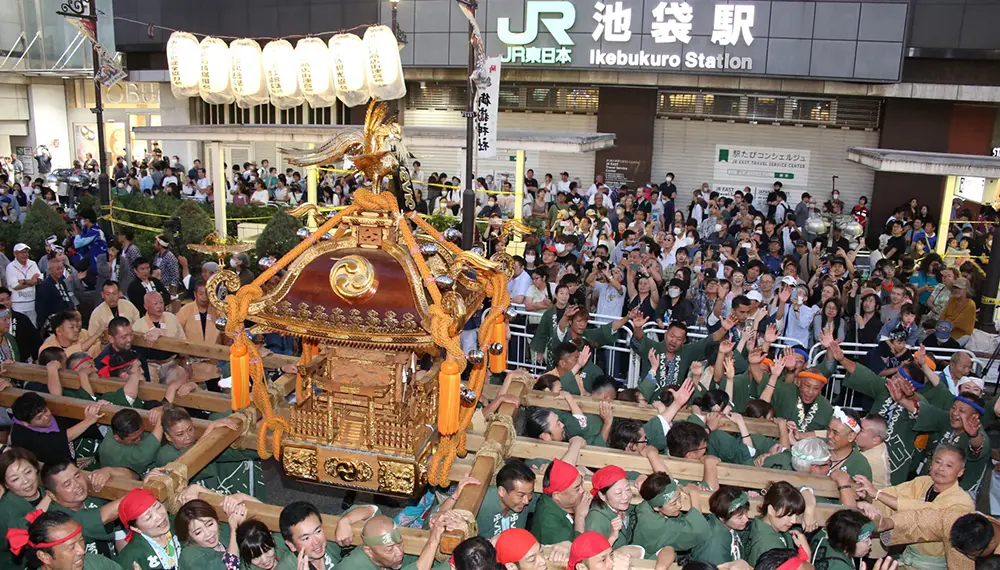
Fukuro Matsuri is held on the west side of Ikebukuro Station. The festival was first held in 1968, when it was centered on a local shopping street. Fukuro Matsuri now attracts tens of thousands of people, with a mikoshi (portable shrine) parade as well as energetic music and dance performances.



Keywords


Copyright © Tokyo Convention & Visitors Bureau. All rights reserved.