• EN
  • Listen
  • Share this page
  • FAVORITES

Main content starts here.

Updated: March 27, 2026

Spend a Special Day in Hinohara, Tokyo's Hidden Village

Your current location:

Experience history and country life in Tokyo's mountains

Step away from tourist attractions, and hike or ride a bus through a quiet mountain village in Tokyo. You can visit a museum or the castle ruins to experience the history and daily rhythms of Hinohara, a village where people live in harmony with nature. Take in the scenery of Japanese mountain life, far from the city center.

General Tips

  • At most, you can expect only one bus per hour, so check the schedule ahead of time and set up a plan
  • Comfortable shoes are best for exploring the area
  • Prepare cash (in yen) in advance

Map Legend

  • Walking
  • Taxi
  • Bus
  • Train
  • Water Bus

1

The gateway to Hinohara Village

Musashi-Itsukaichi Station

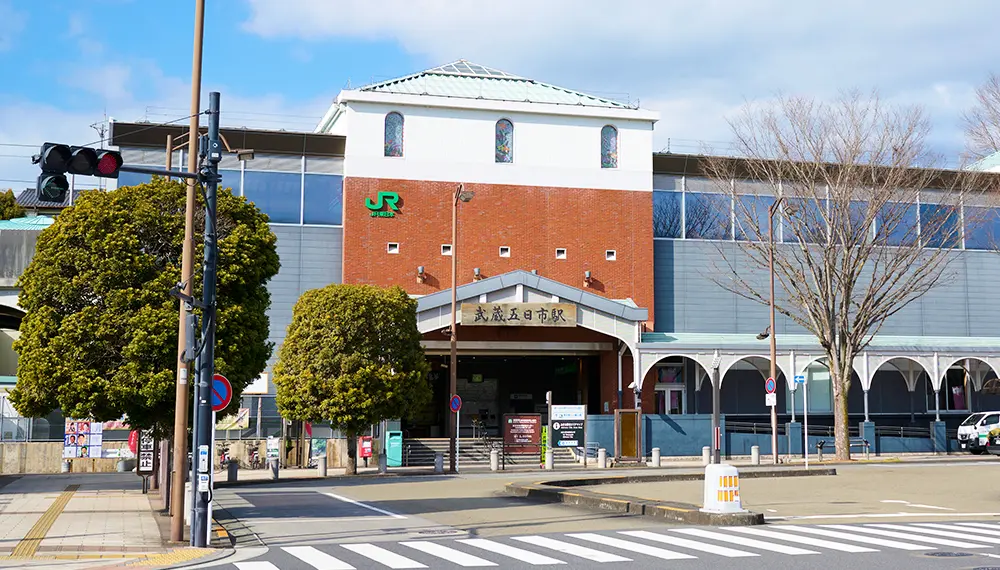
Musashi-Itsukaichi Station, in Akiruno City, Tokyo, is the final stop on the JR Itsukaichi Line. The station serves as the gateway to Hinohara Village and the greater Okutama area, and is about an hour and a half from the city center. There's a convenience store within the station, so you can buy some snacks and prepare for your journey. With bus stops right out front, and cafes and a tourist information booth within walking distance, even first-time visitors can travel with ease. If you're looking to get away from the noise of the city and enjoy exploring and communing with nature on a quiet mountainside, Musashi-Itsukaichi Station is just the place to start your trip.

bus30 mins

2

Learn about Hinohara's history and culture

Hinohara Village Local History Museum

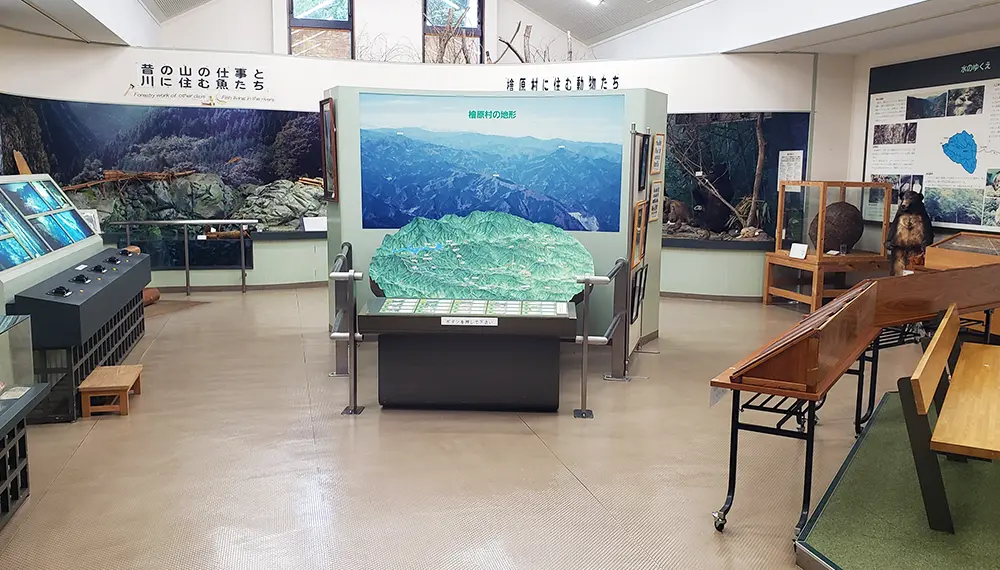
This local history museum showcases Hinohara Village's 9,000-year history and culture. Though the facility is small, its displays include valuable artifacts and historical documents, as well as farming tools and household items that have supported the local way of life. There are models and videos, and you can learn about the wisdom and culture of mountain villages. The "nature and tourism" corner shows the topography and must-see spots of the village and its surrounding mountains. There's no entrance fee, and the facility offers the chance to rediscover Hinohara's charm every time you visit.

bus10 mins

3

A historical exploration through scenery that samurai saw during the Sengoku period

Hinohara Castle Ruins

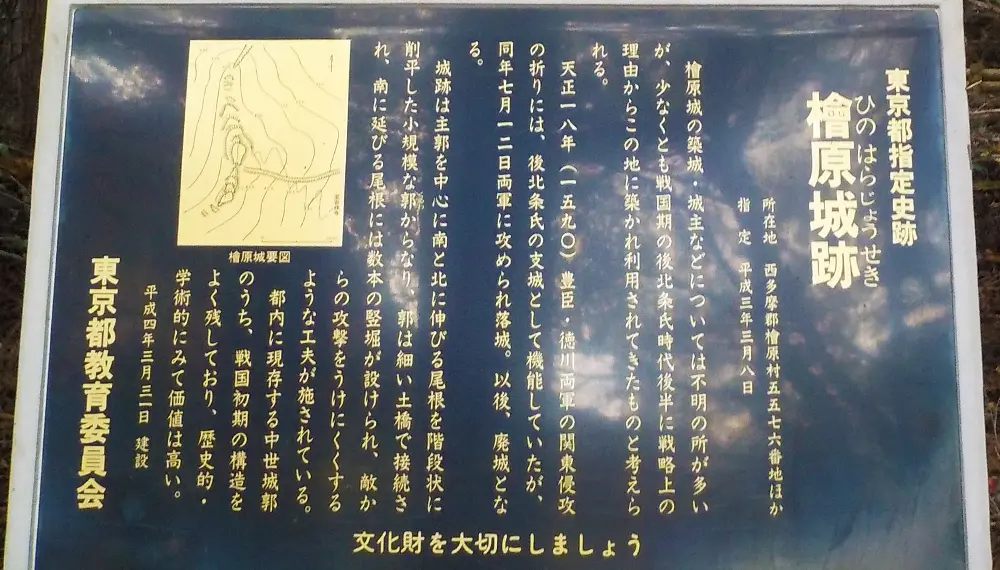
The structure of Hinohara Castle makes use of the mountainous terrain, and while you're there, you can drink in the mountain air and natural surroundings. The remaining castle ruins consist only of dirt embankments. But the trail to the castle includes 13 Buddhist statues, so you can pay your respects as you hike. The mountain trail is well maintained, but it's still best to wear comfortable shoes.

bus40 mins

4

An impressive waterfall associated with a legend of a great serpent

Ryujin Falls

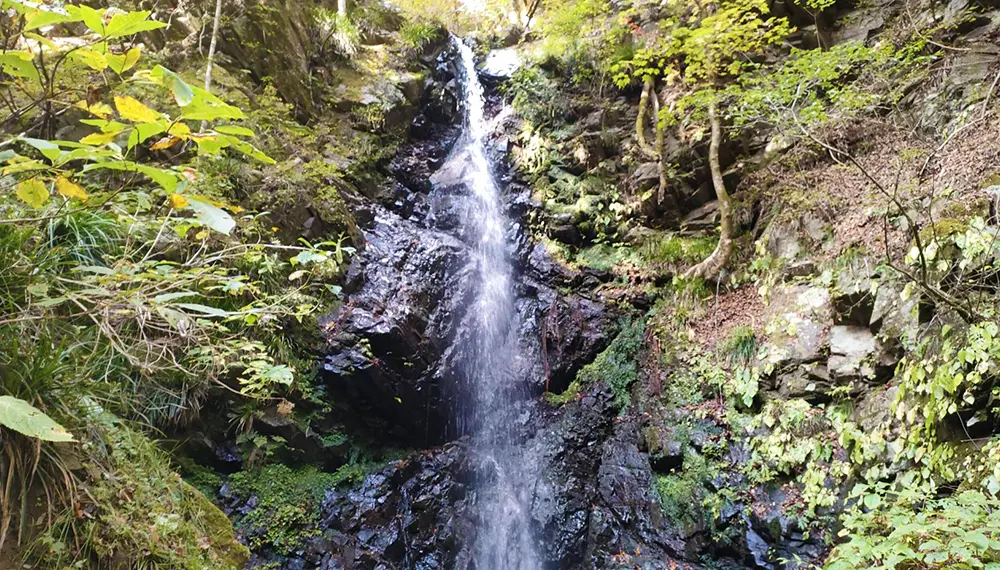
Ryujin Falls is an impressive, 18-meter-high waterfall. Legend has it that a large serpent once lurked in its waters, and its shape looked just like a dragon. You can experience nature's might and a mystical Japanese atmosphere while listening to the roar of the falls and feeling the clear spray. The surrounding area is perfect for hiking, and it's a special place where you can taste the serenity and adventure of mountain life.

Walking10 mins

5

A well-known hot spring in the Nishitama area

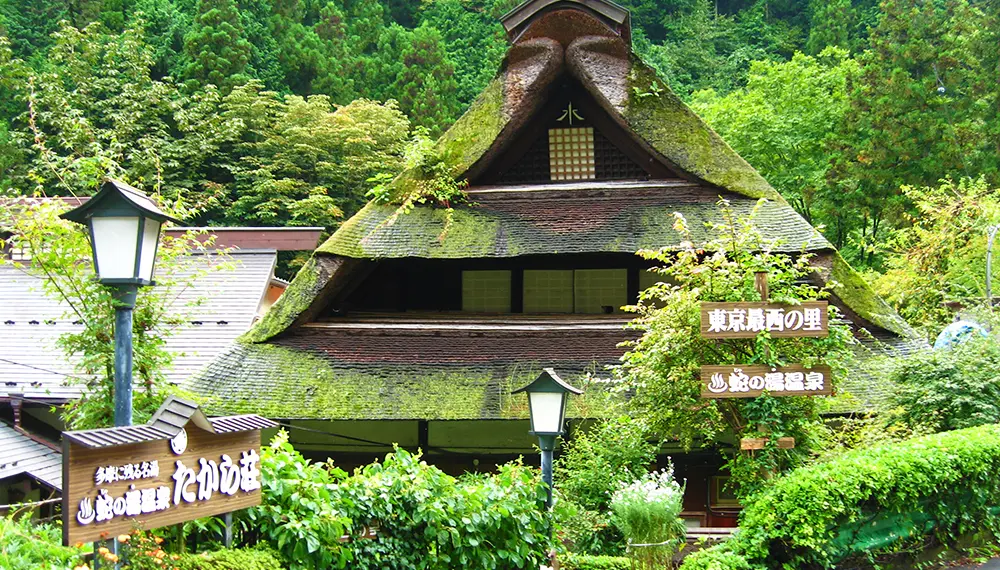
Janoyu Onsen Takaraso

Wrap up your trip by resting at a Tokyo hot spring known for its seclusion. Janoyu Onsen Takaraso sits in a 300-year-old traditional Japanese house with a large, striking roof shaped like a samurai's helmet. The hot spring boasts a long history. Tradition holds that it's named "jyanoyu," or "snake's bath," because a giant wounded serpent once healed in its waters. You can use the baths without spending the night, so it's easy to visit at the end of your travels. Listen to the murmur of a nearby river and enjoy the calming warmth of mountainside culture and hot springs in this healing space.