
- EN
Select Language
- Search
Detailed search: You can do a detailed search by keyword, genre, time, area and tag.
- Share this page
Share this page
- FAVORITES
Main content starts here.
- Visit Tokyo |
- SPOT |
- Northern Tokyo |
- Ueno travel guide - from Ameyoko to Ueno Park
Updated: January 28, 2026
Ueno travel guide - from Ameyoko to Ueno Park
Culturally rich, naturally vibrant and a street of raucous retailers
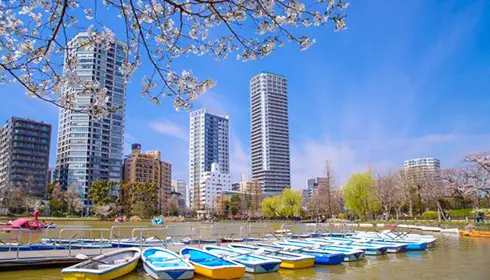
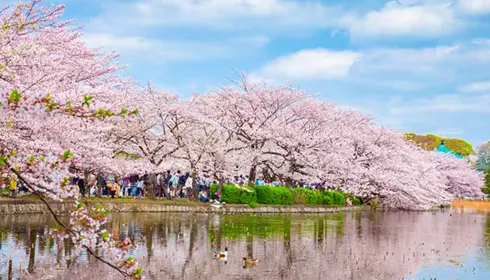
Take a short walk from the bustling transport hub of Ueno Station and find yourself in a cultural and recreational haven. Expansive Ueno Park that sits next to the station houses many museums, a large boating pond, a shrine with a pagoda, and Japan's oldest zoo. The park is the focus of attention in April as the many cherry trees burst into bloom. Follow the train tracks of the Yamanote Line towards neighboring Okachimachi Station to experience Ameyoko—the bustling shopping street where the distinctive calls of market sellers can be heard selling everything and anything from clothes, spices, cosmetics and fresh fish.
Tips
- Rest at a cafe in Ueno Park, famous for cherry blossoms in spring
- The bustling shopping street and energetic market sellers of Ameyoko
- A tour of culture through the area's many museums
How to Get There
Access Ueno Station by taking the Tokyo Metro's Ginza and Hibiya lines. The Keiseidentetsu Line runs to Keisei Ueno Station.
From Haneda Airport: Around 50 minutes by train.
From Narita Airport: Around one hour and 20 minutes by train.
From Shinjuku Station: 24 minutes on the JR Yamanote Line to Ueno Station.
From Tokyo Station: Eight minutes on the JR Yamanote Line to Ueno Station.
Seasonal flowers, a zoo, and more at Ueno Park
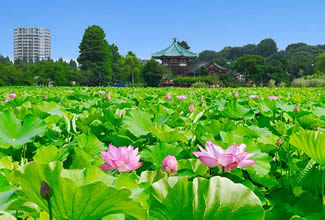
Between the short-lived explosion of cherry blossom pink in the spring, the vibrant peach-colored lotus flowers in the summer, and the diverse animals in the zoo, Ueno Park has lots to see. Picnic parties under the petals are commonplace in the springtime, and budding photographers take their cameras out on Shinobazu Pond to shoot the lotuses during the summer. If you are feeling worn out with your flower viewing, head to one of the terrace cafes to take the weight off your feet.
Japan’s Oldest Zoo
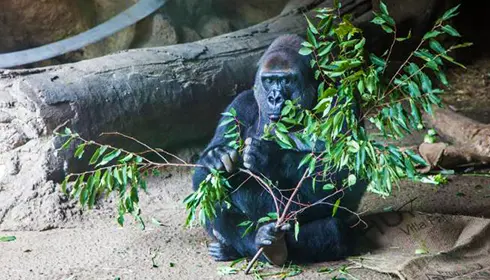
Energy is definitely required for a trip to Ueno Zoo, however, as it will take you a good half a day to explore the sprawling animal park home to around 2,500 animals from 300 different species, including gorillas, tigers, Asian elephants, polar bears, and a whole host of fascinating creatures from the natural world. The Main Gate is only a five-minute walk from the JR Ueno Station Park Entrance. The grounds are divided into an East Garden and a West Garden. In the East Garden you will find Gorilla Woods and Tiger Forest, Elephant Forest, Polar Bear and Seal Oceans, as well as a historic five-storied pagoda and ceremonial teahouse called the Kankan-tei. In the West Garden are animals from such diverse regions as South America and Africa—including Madagascar. To complete your visit, you’ll find souvenir shops and dining options as well.
 Courtesy of TOKYO ZOOLOGICAL PARK SOCIETY
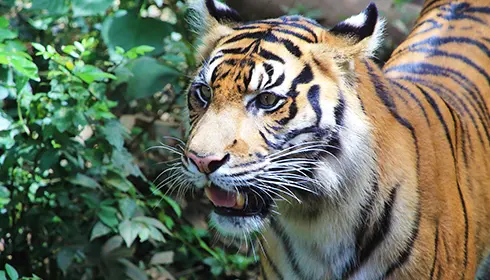 Courtesy of TOKYO ZOOLOGICAL PARK SOCIETY
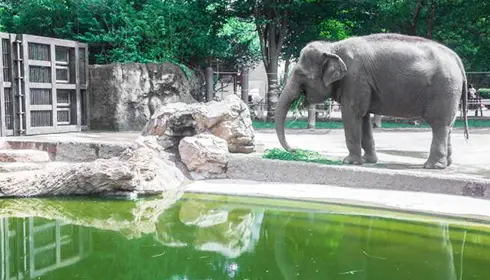 Courtesy of TOKYO ZOOLOGICAL PARK SOCIETY
 Courtesy of TOKYO ZOOLOGICAL PARK SOCIETY
From black-market beginnings to modern day hustle and bustle
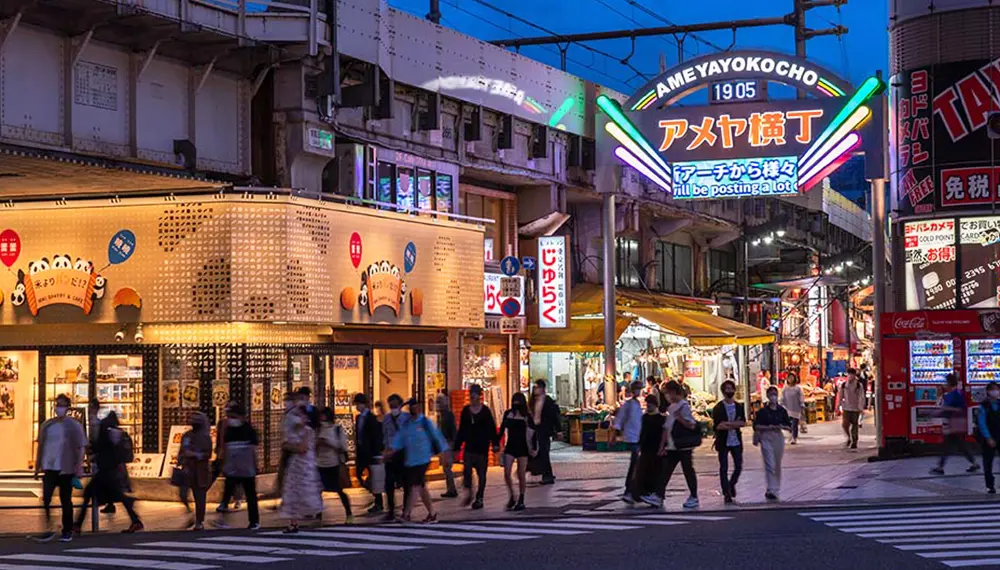
Ameyoko originated as a post-war black-market selling products from the United States. It's not far from the station, and shops still sell a range of international goods. An edgy aspect remains to the 500-meter long commercial street that has grown significantly in size and is frequently crowded with shoppers looking to take advantage of low prices on fresh food, cosmetics, clothes, and jewelry. The street is set to a background of hawking calls by the energetic sellers each trying to out-do the other in volume and passion. A range of specialty shops are buried within the market such as military shops stacked with military fatigues and accessories and the Ameyoko Center Building with its wide selection of herbs and spices. There's a plentiful selection of cheap and delicious street food, sold at stalls and restaurants.
Satisfy your cultural appetite touring Ueno's close cluster of museums
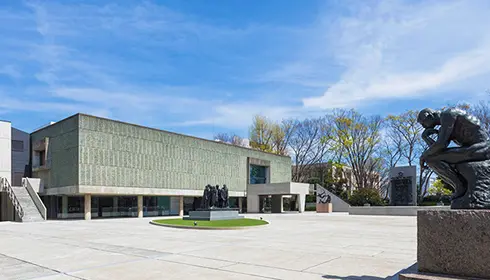
Ueno is home to a number of world-class museums within easy walking distance of each other. The National Museum of Western Art complements its permanent exhibition of works by Claude Monet, Van Gogh, Renoir, Picasso and Pollock with rolling exhibitions. Another good place to visit is the Ueno Royal Museum, which exhibits everything from the latest contemporary art by young artists to popular manga exhibitions.
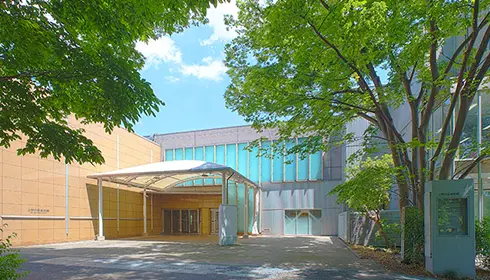
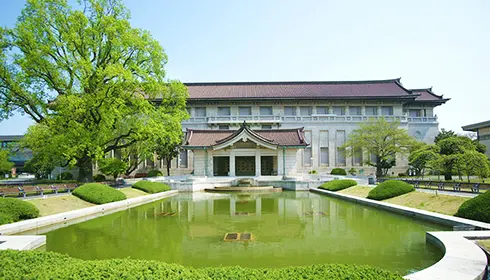
With 150 years of history, if you want to appreciate traditional Japanese artwork, you should visit the Tokyo National Museum, which houses a wide range of oriental artworks and antiquities including ukiyo-e woodblock prints, ceramics and swords. The National Museum of Nature and Science has a range of exhibits that explore the natural world and the history of science and technology from various angles, with a particular focus on dinosaurs.



Copyright © Tokyo Convention & Visitors Bureau. All rights reserved.