
- EN
Select Language
- Search
Detailed search: You can do a detailed search by keyword, genre, time, area and tag.
- Share this page
Share this page
- FAVORITES
Main content starts here.
- Visit Tokyo |
- EXPERIENCES |
- Edo History & Culture |
- Creating a Japanese New Year’s Card: Get Your Own Official Seal, Set the Printing Type and Make Washi Paper From Scratch
added on : December 8, 2025
Creating a Japanese New Year’s Card: Get Your Own Official Seal, Set the Printing Type and Make Washi Paper From Scratch
Hanko Land Tokyo, Printing Museum, Tokyo, Handmade Japanese paper shop watashino
Your current location:
東京都心部|東京東部|東京南部
品川&天王洲|浅草|神楽坂
In Japan, the arrival of the New Year is marked by lengthy vacations, shrine visits and traditional meals, but also by the exchange of "nengajo" – special greeting cards that convey thanks, good wishes and renewed ties for the New Year.
Unlike Western countries, where cards are often exchanged around Christmas, Japanese households typically receive a stack of postcards on January 1, printed and mailed in advance to ensure timely delivery. These cards are personalized, with photos, decorative motifs or symbolic references to the zodiac animal of the coming year – for example, 2026 is the Year of the Horse.
If you're looking to dive deeper into this Japanese tradition, Tokyo offers a number of workshops that let you create your own New Year’s card – not just by writing a message, but by building different elements from scratch. From carving a personal bilingual seal to printing your message on a retro press, and even making the paper by hand, this is an opportunity to connect with Japanese craftsmanship while creating a meaningful, memorable memento of your trip to Tokyo.
Design and Make Your Own Official Bilingual Seal — Hanko Land Tokyo
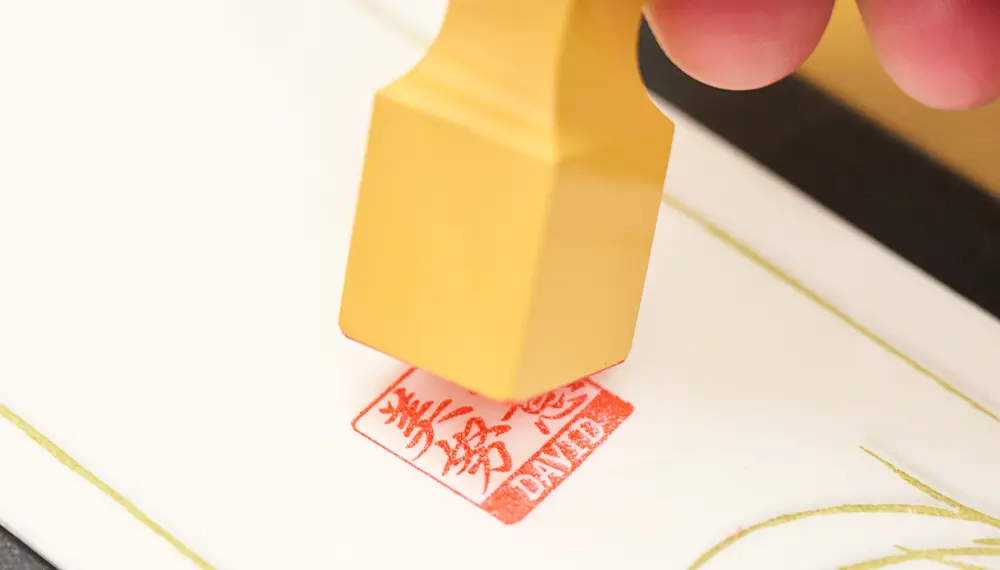
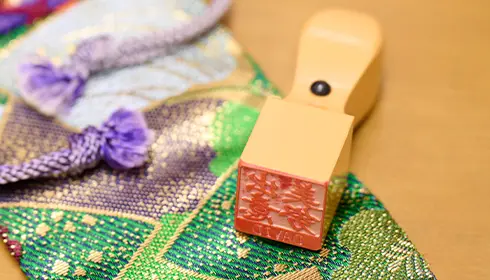
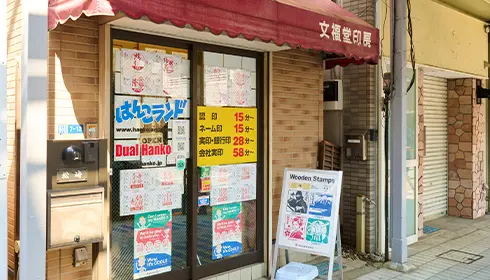
In Japan, official documents are traditionally completed not with a signature, but with a red ink seal called a hanko. At Hanko Land Tokyo, a compact studio a three-minute walk from Oimachi Station, you can design your own personalized hanko featuring your name in both Japanese and English. The bilingual design bridges cultures and adds a thoughtful touch to any letter or document you might create, as well as to your Japanese New Year’s card.
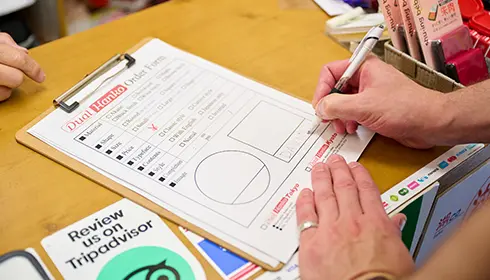
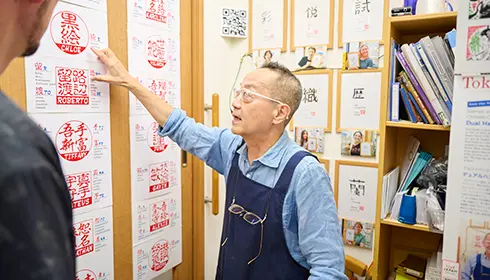
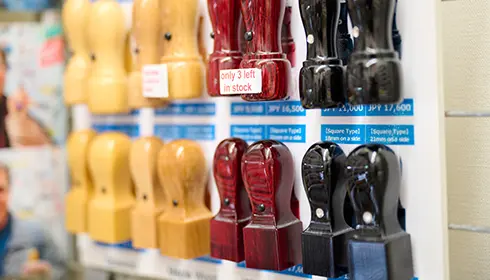
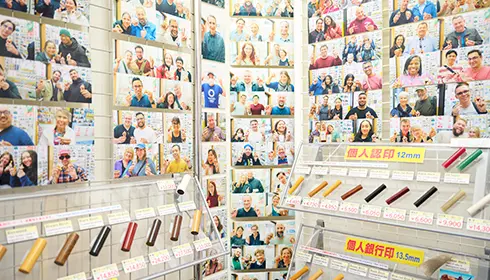
Creating a hanko begins by choosing a layout, font and type of wood for the handle. The friendly owner will guide you on selections for hiragana, katakana or kanji options for the Japanese portion, alongside fonts that suit your taste. Different kanji have unique meanings and multiple readings, and the owner will help you choose characters with sounds and symbolism that match your name’s pronunciation and your personality.
A specialized engraver carves your hanko within 90–120 minutes. The final product comes complete with a Japanese-patterned cloth bag and a sheet explaining the meaning of the kanji you chose, so you won't forget its significance.
What makes this experience particularly inviting is the warm, approachable atmosphere thanks to the owner who is fluent in English and provides personal assistance throughout the process. The owner also offers special gifts for completing fun mini challenges when you purchase a hanko, and the entire experience is memorable.
Once complete, you can test your hanko on site, and when it’s time to assemble your final New Year’s card, your bilingual hanko serves as a mark of your identity – an emblem that ties together tradition and individuality.
Learn Printing History and Typeset Your New Year's Message — Printing Museum, Tokyo
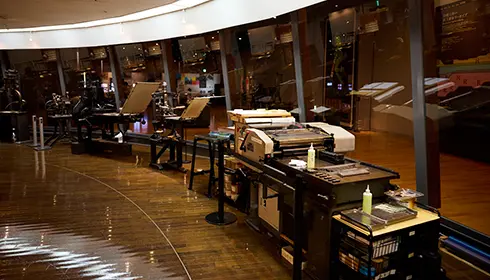
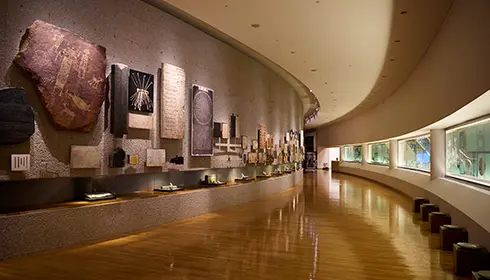
The Printing Museum, Tokyo is run by one of Japan's largest printing companies, TOPPAN. Located an 8-minute walk from Edogawabashi Station, it offers a fascinating look at global printing history – from the history of woodblock-printed texts, retro advertising posters and more. The museum blends design, history and hands-on experience, making it an ideal place to ponder the power of the printed word and craft a message for your New Year’s card.
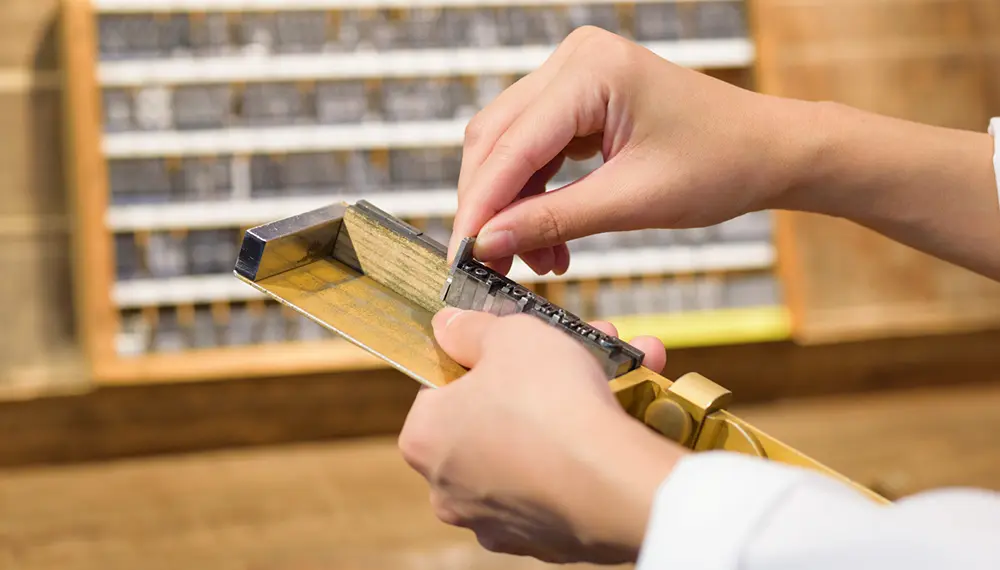
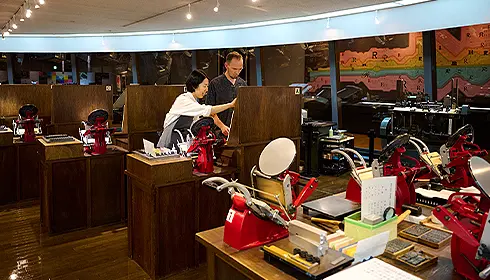
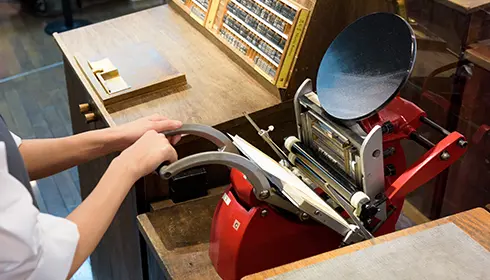
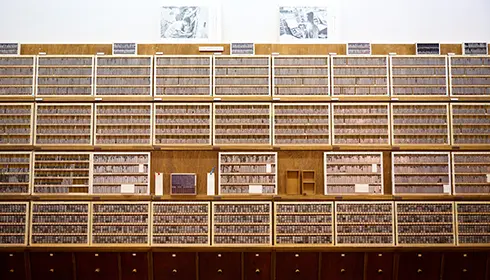
Start by exploring exhibits that detail how Japanese printing evolved through the Edo period (1603–1867), Meiji era (1868–1912) and modern eras of Japan. View rare books, hand-cut type and preserved machines that once powered Japan’s publishing industry. Then step into a hands-on 30-minute workshop in a restored workspace where seasoned staff guide you in using actual letterpress machinery from a bygone era.
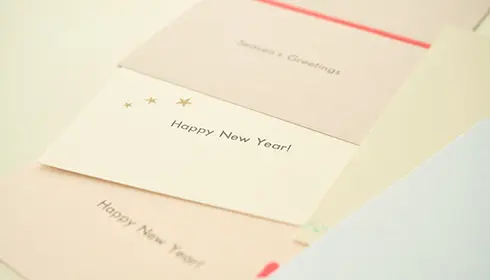
The workshop is available year-round, offering experiences creating short phrases in beautiful retro type in either English or Japanese, depending on the season. During the winter workshop focused on creating an English greeting card, you’ll ink your New Year's card by hand by selecting large 24-point alphabet type to create a short phrase like "Season's Greetings" before operating a lever-style press to transfer your message onto the paper provided. The resulting impression carries a satisfying texture and slight variation that modern printers can’t replicate.
For most people, operating a printing press is a new experience, but clear guidance ensures a smooth process. Each card you imprint with your message is a slightly unique and a tangible reminder of the importance of putting care into daily communication. If you're interested in learning about the history of printing worldwide and engaging in a tactile form of messaging, this workshop provides a rare opportunity to feel the rhythm of traditional printmaking in a modern setting.
Best of all, your hand-printed message adds a meaningful layer to your New Year’s card – crafted not only with thought, but with the press of your own hands.
*The letterpress printing workshop requires advance registration via the museum website. Registration opens at 12:00 PM 14 days prior.
Craft Traditional Japanese Washi Paper From Scratch — Handmade Japanese paper shop watashino
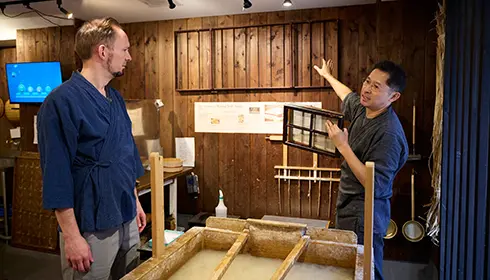
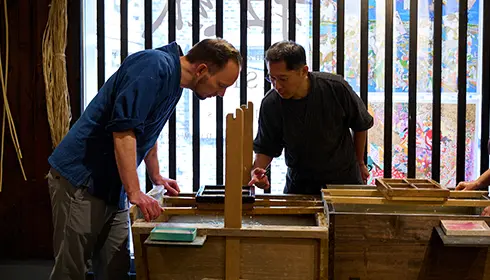
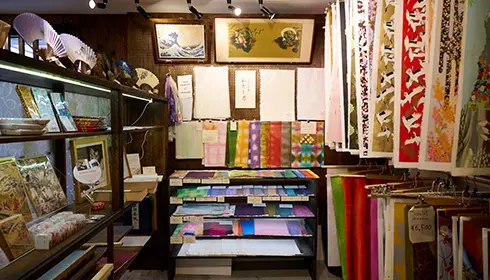
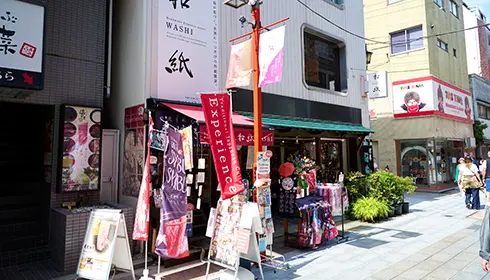
The final step in the journey is creating a wonderful medium for your card – Japanese washi paper, known for its strength, texture and light-transmitting beauty. In the heart of Asakusa, the watashino washi paper shop and papermaking studio specializes in workshops that introduce participants to the centuries-old art of crafting washi by hand.
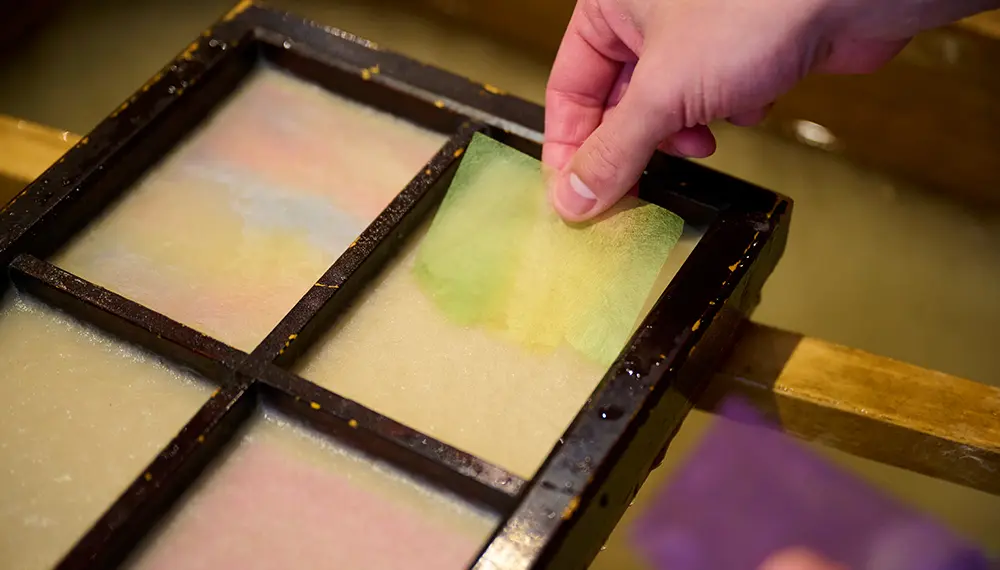
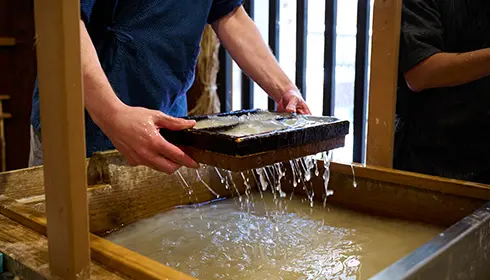
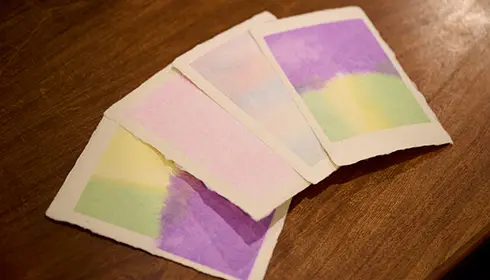
Washi paper is made from "kozo" (Japanese mulberry tree) pulp, which gives it distinct softness and durability. During the 60-minute workshop, you'll be slowly guided through the steps: scooping wet kozo pulp from a basin with a mesh screen, swishing it front to back and left to right in rhythmic motions, layering it to form four even postcard-sized sheets, pressing out the water, and finally, drying your paper on a heated rack.
The staff speak English comfortably and provide background on the process while helping you create your finished washi paper postcards. You can customize them with colored washi paper embellishments, or even get creative by ripping them up to create a unique, artistic design. Other ideas could include gold flakes, dried petals or fibers of your choice. (Please ask the staff beforehand if you want to bring your own flourishes or get creative.) The atmosphere is calm and meditative, and there’s no rush as you explore the interaction between the pleasant, soft pulp mixed in water and the motions of traditional papermaking.
While Asakusa is known for famous temples and lively shopping streets, this quiet workshop offers a refreshing counterpoint and chance to make a souvenir by hand. It’s popular with creative travelers and Tokyo locals alike – those who want to slow down and create something truly unique. Although the materials and tools are traditional, the layout and signage are all accessible for first-time visitors.
Once dry, your washi postcard sheets are a great complement to the other elements of your New Year's card – your hand-pressed printed message and the stamp of your bilingual hanko. Any combination of these elements creates a card layered with texture, history and personal connection – a thoughtful way to begin the year in 2026, and a one-of-a-kind expression of Tokyo’s timeless craftsmanship.
Hanko Land Tokyo
| Address | 5-7-12 Higashioi, Shinagawa City, Tokyo |
|---|---|
| URL | Hanko Land Tokyo |
Printing Museum, Tokyo
| Address |
TOPPAN Koishikawa Head Office Building 1-3-3 Suido, Bunkyo City, Tokyo |
|---|---|
| URL | Printing Museum, Tokyo |
Handmade Japanese paper shop watashino
| Address | 1-32-11-2F Asakusa, Taito City, Tokyo |
|---|---|
| URL | Handmade Japanese paper shop watashino |
For updated information on opening hours, days closed, prices, and more, please check the official website.


Copyright © Tokyo Convention & Visitors Bureau. All rights reserved.